A common feature of the latest high-end Android phones is the increasingly higher refresh rate on this type of smartphone. Apple had not taken much importance until now, since in the iPhone 13 Pro Max it has decided to jump to a refresh rate of 120 Hz, as opposed to the 60 Hz of the iPhone 12 Pro Max.
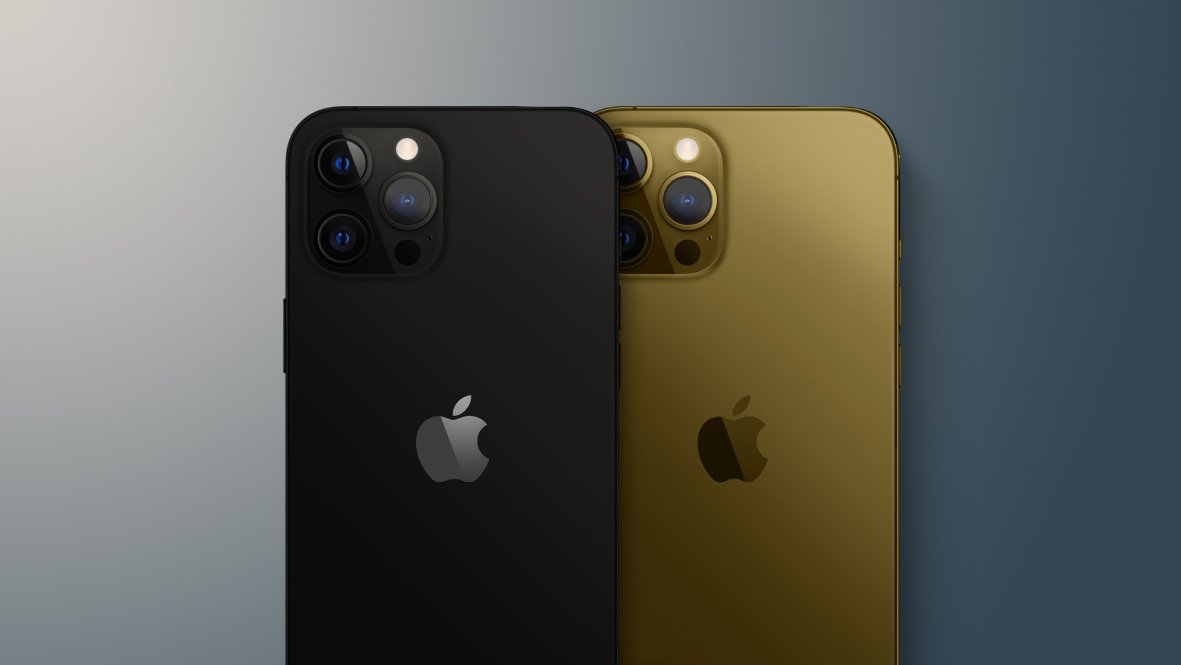
The panel of the iPhone 13 Pro Max comes with the ProMotion setting so that the refresh rate adapts to the use and thus be able to better manage energy consumption, and along with this, the notch suffers a reduction of 20% compared to the iPhone 12 Pro Max.
In terms of diagonals, nothing has changed in this new generation, that is, the iPhone 13 Pro Max has the same size as the iPhone 12 Pro Max. However, the maximum brightness does rise 28%. The display now allows peaks of up to 1,200 nits of brightness.
Another feature that differentiates the iPhone 13 Pro Max from its predecessor is its A15 Bionic processor of 15,000 million transistors and distributes them among its six cores, with two cores for high performance and four cores for energy saving. According to Apple, this new chipset is 50% faster than the Apple A14 Bionic.

Regarding the photographic system, Apple mounts on the iPhone 13 Pro Max a larger main sensor of 12.2 megapixels because this time the pixels are 1.9 micrometers, and the lens that accompanies this main camera is an f / 1.5. The super wide angle lens offers an f / 1.8 lens and the telephoto camera offers 3x optical magnification with 77 millimeters of focal length.
Unlike the iPhone 12 Pro Max, in this year’s Pro model we have up to four storage options that are: 128 GB, 256 GB, 512 GB, and 1 TB.

 Geekybar




Nice read