
 Leena Wadia
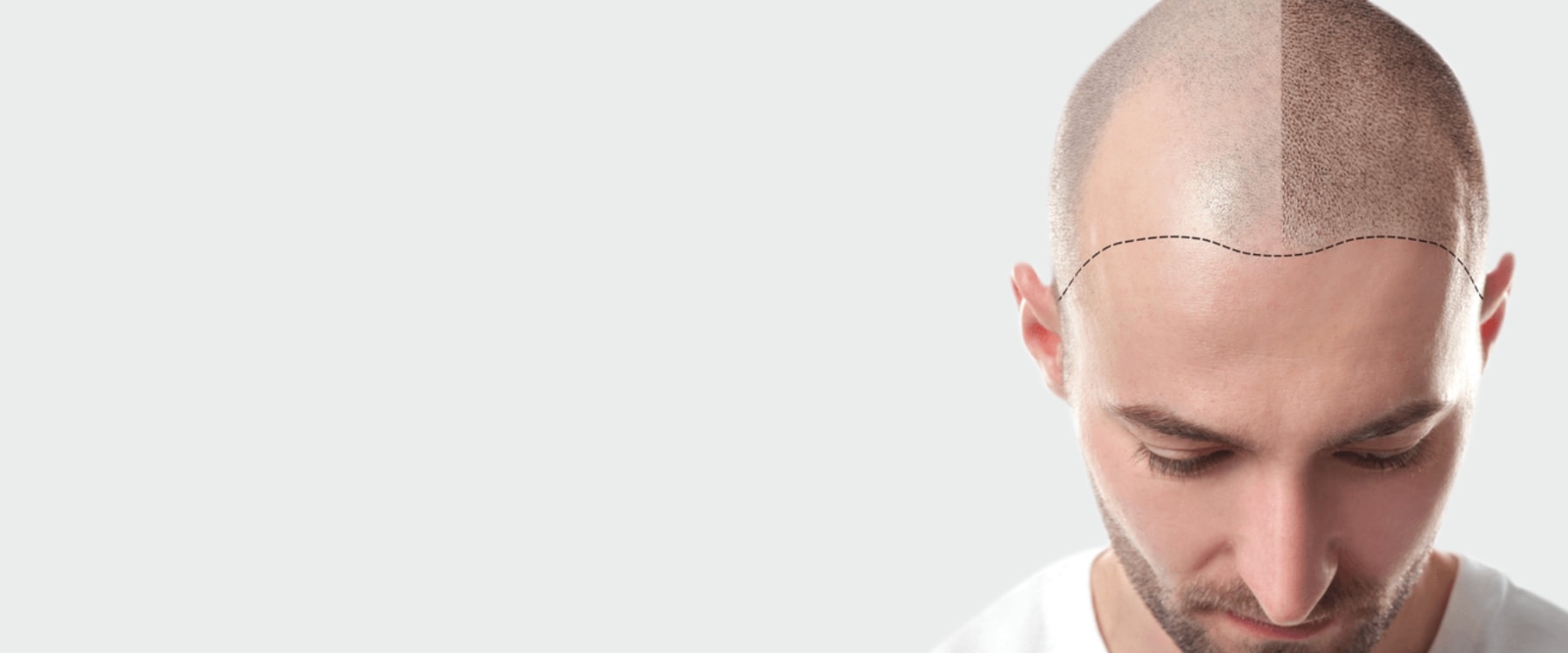
Types of capillary micrografts?
There are two techniques known as FUSS and FUE, they differ in the way of extracting follicular units.
With the FUSS technique, a strip of the scalp about 20 cm long by 1 cm high is extracted from where the hair follicles will be removed for subsequent implantation. It involves major surgery.
In the FUE technique, the extraction of the hair follicles is done selectively, follicle by follicle using a circular-shaped scalpel, it is considered non-invasive surgery and achieves 100% use of the extracted follicles.
At Vivanta we are committed to the highest quality treatments, such as that offered by the FUE technique, which achieves better, more natural results and minimizes discomfort.
For which cases are they indicated?
Hair micrograft treatment is indicated in androgenic alopecia, that is, in hair loss caused by hormonal action. It is also suitable for patients who want to reinforce or change the first hairline. The micrograft treatment can be applied in some cases of Cicatricial Alopecia, patients who have suffered alopecia in a procedure such as a Lifting, or in patients who have received radiotherapy treatments, chemotherapy, or who have suffered serious accidents or burns with hair loss.
In addition to these considerations to assess a patient as suitable, they must have a good donor area, from which the follicles will be extracted, it must occupy at least 8 cm from the base of the neck and have a good density.
Are there women who also perform this technique?
Yes, women can undergo this treatment to regain lost hair. Unlike men, the pattern of female alopecia almost always coincides, in their case the hair is weakened at the top of the head, and it is not usually lost, so the hairline remains intact.
More than gender, the important thing is that the patient is a good candidate for surgery; good quality of the donor area and the type and extent of alopecia.
How is the procedure performed?
Once the suitability of the patient is confirmed, the recipient area is designed, in which the follicles will be implanted.
To carry out the extraction of the follicular units, the donor area is shaved (in the case of treatments for women, it is not shaved), and extractions are carried out using a small diameter circular scalpel. Once the follicular units to be used are obtained and ready, they are introduced into the scalp through micro incisions at the correct angle and direction with an instrument called an implanter.
This procedure does not require stitches or leaves noticeable scars. You get a natural result with the least discomfort.
How is the postoperative?
At 24-48 hours the bandage will be removed at any of the 77 Vivanta clinics with an Aesthetic Medicine unit.
After 15 days, the patient returns to his Vivanta clinic, correct healing is verified and medication is prescribed.
In the weeks after treatment, the transplanted hair will fall out. Each graft will generate hair later, progressively hair will appear in the recipient area, and improvement will be noticed around three months.
At Vivanta clinics we include two sessions of Platelet Rich Plasma in the treatment, which stimulates the vascularization of the hair follicles, enhancing regeneration.
When can you return to the usual routine?
The patient will be physically well from the first day, so on the second or third day after surgery could return to work. However, from a cosmetic point of view, we recommend delaying employment for a week, since the following days the forehead tends to swell somewhat and scabs appear in the areas of the micrografts.
When do you start to see the results?
The improvement will be progressive, being noticed around three months, by six months approximately 50% of the grafted hair will have appeared. One year after the intervention, the patient will have 100% of the hair.
Are the results permanent?
Yes, the transplanted hair does not fall out, since the follicular units are extracted from an area not affected by the hormonal processes that cause alopecia.



GIPHY App Key not set. Please check settings