
 Adam Smith
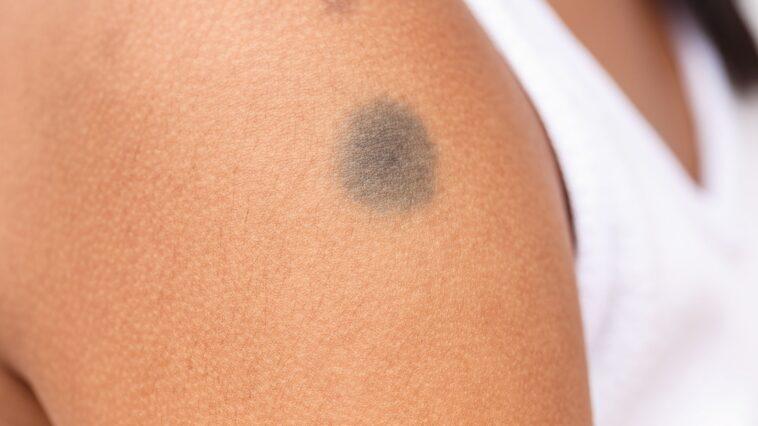
Birthmarks are changes in skin color that occur at birth or within a few months of birth. Although most are harmless, medical check-ups are required to control their diagnosis and evolution.
What are birthmarks?
The actual origin of birthmarks is unknown, but there is a strong hypothesis that they are congenital in origin. In general, these brands are harmless, they do not pose any problem to the health of those who own them. However, on some occasions (very rare) they can be associated with other health problems.
A widespread popular belief links birthmarks to “cravings” during pregnancy. But this is simply a popular myth since there is nothing that can be done during the gestation period that will prevent the baby from developing a spot if your genetic information predisposes you to it.
About 80% of babies are born with birthmarks from different causes. Some disappear over time and others persist over the years. When spots are detected on the baby’s body, a dermatologist should be consulted if any treatment is needed since, although most do not need attention, they can be linked to other types of conditions.
Birthmarks are divided into two distinct categories:
1. Vascular. They are the most common in babies born with marks of vascular origin that are the result of the development of blood or lymphatic vessels under the superficial layer of the skin, that is, when they are too wide, there are too many or have not formed correctly. The spots can be of different colors; pink, red and bluish, depending on the depth of the glasses. Most of these spots appear before birth, although some appear in the first month of life. The pediatrician will determine its type and designate in which cases it is necessary to refer to the dermatologist.
Among the most common vascular stains are:
- Wine stain. The reddish spot that is not very visible at birth but usually develops unilaterally over time. Sometimes they change in tone, texture, or size. Hemangiomas. Reddish spots tend to grow a lot over time, although over the years (maximum at 10) they begin to lose pigmentation and finally disappear. The origin associated with other types of syndromes must be ruled out.
- Salmon stain. They are pink marks that usually appear on the face or neck area and include those popularly called “angel kiss” or “stork peck”. They arise when the blood vessels have developed superficially and are visible. They usually disappear when the child turns 2 or 3 years old.
2. Pigmented. They are the spots that are due to abnormal development of pigment cells. They can have different shades that are, in addition to those previously mentioned, bluish or dark colors. Although there are many types of pigmented spots, it can be said that they are mainly divided into:
- Congenital moles . Of different shades of brown, sometimes hairy, and affecting from tiny areas to entire extremities. Although they are normally benign, it must be checked since they can be malignant to a greater or lesser degree.
- Nevus . There are two types of nevus, the whitish achromic nevus that can be linked to diseases of the nervous system and the brown or gray ota nevus that, although not harmful, can pose a significant cosmetic problem.
- Coffee with milk stain . Mark of light shades of brown that appear in up to half of babies. Sometimes a few appear in the same area and should be checked since the presence of a group can be an indication of neurofibromatosis, a genetic disorder that affects the growth of cells of the nervous system.
- Mongolian stain . It is a type of pigment alteration that leaves greenish, bluish or grayish spots, covering large areas of the baby’s back or buttocks. Many times, it disappears spontaneously between 3 and 5 years. It usually affects black or dark-skinned babies more.
It must be remembered that, despite what is often said, these types of spots have nothing to do with the diet or care that the pregnant woman maintains during pregnancy, but are alterations in the development of the baby in most cases. occasions of unknown origin.
Treatments
Although many of the spots usually disappear or are practically imperceptible, they can be treated with laser or surgery depending on the type of spot and its severity. Most spots fade and disappear after treatment, although some reappear and need to be treated again. The most common is that the treatment of birthmarks is carried out in childhood when the small vessels are smaller and the treatment is easier and more effective. The markings on the head and neck respond best to the laser.
Treatments vary and depend on the diagnosis made by the specialist. Pigmented spots can be removed with a laser, although vascular ones require more intense treatments such as surgery . Other treatment options to remove stains are steroids and peels , as long as the stain allows it.
If you have a birthmark and want to get rid of it or check its status, especially if it hurts, bleeds or itches, it is essential that you consult a specialist doctor . Its evaluation will allow to diagnose whether or not there is a risk of contracting a serious problem and to determine the type of treatment that can be used to eliminate it.


GIPHY App Key not set. Please check settings