
 Christina d'souza
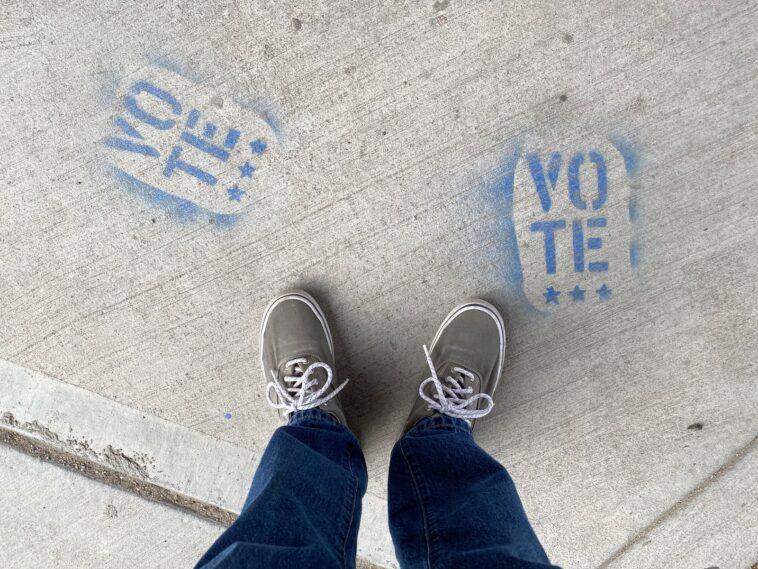
A total of 135 articles of central law for the administration of President Luis Lacalle Pou will be debated today in Uruguay, in a referendum with a forecast of adjusted results that, in addition to the very future of the initiative, will air or erode what remains of the mandate of the Executive and will mark at least part of the future strategy of the opposition.
The Law of Urgent Consideration (LUC), of 476 articles and approved by the ruling party in Congress in very short terms, generated modifications in several areas, including education, security, the right to strike, public companies and transactions cash.
Last year, a group of organizations, including the PIT-CNT labour union and the Broad Front, set out to collect more than 700,000 signatures to force the referendum, an achievement that was achieved in the midst of the pandemic.
In the dark rooms in Uruguay, there are pink ballots with the Yes -in favour of repealing the articles in question- and light blue ballots with the No, in favour of keeping the LUC as it is.
The latest polls herald a very tight result, with a slight advantage for Yes, although with a significant number of undecided, key in the final hours.
According to the Electoral Court, the number of people qualified to vote is 2,684,131. The tables are open from 8 a.m. to 7:30 p.m. (same time as in Argentina).
A victory for No will mean, without a doubt, a boost for Lacalle Pou, who could be encouraged to promote other central reforms in the structure of the Uruguayan State.
That is why the five parties that make up the government alliance put their main leaders to play in the campaign and the president himself got involved, first timidly and then fully, to the point that the No campaign ended with a press conference that he himself headed.
On the Yes side, the Broad Front still has -even if the result was adverse- the satisfaction of having been able to show an enormous power of territorial presence, a notorious mobilization even in times of pandemic and revitalization that even went through its process of renewal of authorities.
Due to the complexity of what is voted on, it was an atypical campaign: the content of dozens of articles of an extensive law had to be explained.
For this reason, more than great acts, it was a face-to-face task, raising awareness in small meetings, with a great presence in the media and talks-debates in the areas in which it was possible.
The LUC was sanctioned on July 8, 2020, in Congress, with 476 articles, although it had entered with 501.
Among other issues, it limits the right to strike, declares picketing in public or private spaces illegally, establishes the figure of “criminal appearance” and increases the limit of cash transactions up to 100,000 dollars, which enables money laundering and allows tax evasion according to its detractors.
In addition, it eliminates the obligation of initial education and cuts back the functions of the State in the area, creates a mode of express eviction of rented housing and avoids the cooperative model of house construction, and enables the closure and/or privatization of strategic areas. of the state oil company Ancap.
Since the restoration of democracy in Uruguay in 1985, only 13 bills were sent to the Legislature with this declaration of urgent consideration: 9 were approved and 4 were rejected, but only 3 of those bills were in the “omnibus law” category.
In addition to the PIT-CNT and the Broad Front, the Commission for Yes brings together the Federation of Uruguayan University Students (FEUU), the Feminist Intersocial, the Association of Social Workers of Uruguay (ADASU), the Intersocials of Salto, Carmelo, Rivera, Soriano, Artigas, Costa de Oro, Tacuarembó, Paysandú, Treinta y Tres and Fray Bentos; Mothers and Relatives of the Detained-Disappeared, and the Uruguayan Federation of Housing Cooperatives for Mutual Aid (Fulham).



GIPHY App Key not set. Please check settings