Importantly, not all obese patients are ideal candidates for gastric sleeve surgery. The doctor will take several considerations before giving approval for the surgery. Along these lines, the patient must be committed to losing weight and including healthy habits in their lifestyle.
The ideal candidates to undergo this intervention are:
- Ideally patients between 14 and 65 years old.
- People who have tried in a conventional way, with exercises and diets to lose weight , but without effective results.
- Patients with a BMI greater than or equal to 40 .
- People with medical problems such as high blood pressure, diabetes, sleep apnea, joint problems, among others.
- People who have demonstrated willpower and commitment , preparing for the weight loss operation through the gastric sleeve .
- Patient with a BMI of 35 who suffers from a serious pathology that could improve with weight loss (sleep apnea, diabetes, among others) and gastric sleeve would be an option.
Contraindicated for: Pregnant or breastfeeding women. People with cardiovascular problems and for those with eating disorders or some type of serious psychological disorder.
How do I choose my doctor?
To correctly choose the bariatric surgeon, the patient must investigate several factors before making a decision, so it is recommended to take into account:
- That the doctor has the certification of specialist in bariatric and metabolic surgery granted by the
- That the facilities where the surgery is performed must have all the necessary equipment in the case of any medical emergency.
- That the surgeon has a highly qualified and trained team.
- It is also recommended to ask the surgeon how many years of experience he has, and ask for cases of patients who have undergone surgery with him.
- Likewise, it is important that the doctor has a team of additional specialists who will accompany the patient in his recovery and lifestyle, such as: endocrinologist, psychologist, nutritionist and specialist in physical activity, since the success of this operation will depend on the correct intervention of various specialties and patient commitment.
What is the first appointment with the bariatric surgeon like?
During the first consultation, the bariatric surgeon will make an evaluation of the patient’s general health and eating habits.
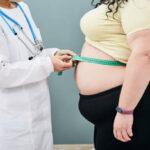
In addition, during this first instance the doctor will weigh the patient, indicating his BMI and the amount of kilos he has overweight. Likewise, during this first consultation the doctor will establish a goal weight, along with a diet to follow to prepare for the surgery. In most cases, this is done not only to reduce the risks of the operation, but also to show patients that they are willing to change their eating and lifestyle choices for long-term results.
On the other hand, the surgeon will explain in detail what the operation consists of, what the main risks or side effects are, and what the post-operative period will be like. He will also ask you for some pre-operative tests such as an analysis, electrocardiogram, ultrasound of the gallbladder among others, to rule out any type of problem with the anesthesia.
It is important that the patient brings a sheet with all the doubts noted to resolve them at this first appointment.
Finally, the patient should tell the doctor if he is a smoker or if he takes medication, since in some cases they would have to be suspended before surgery.
How do I prepare for gastric sleeve surgery?
It is important that the patient is committed to a healthier lifestyle and in accordance with the expectations of the goal weight. Along these lines, the patient must:
- Eat a diet of around 1000 calories a day to lower the BMI, reducing the size of the liver , which will make surgery and the healing process easier.
- A high protein diet is recommended , through the consumption of lean meats, low in fat and carbohydrates.
- Psychological support, to promote lifestyle changes and work on some personality traits related to anxiety that cause weight gain.
- Perform moderate physical activity, under professional supervision , to enhance weight loss.
- Perform some breathing exercises to keep the airways clear and free of secretions.
- Days before the operation, you should eat a special diet (indicated by the doctor) and go to the surgery on an empty stomach.
How is gastric sleeve surgery performed?
specialists explain that gastric sleeve surgery is performed under general anesthesia and lasts between 60 and 90 minutes. The surgeon makes between 2 to 5 incisions in the abdomen where the laparoscope will be inserted , which is connected to a video camera, which allows the surgeon and all his medical team to see the interior while performing the surgery. Likewise, the specialist pumps a gas to expand the abdomen area and thus have more space to move the instruments.
After this, the surgeon removes much of the stomach and excises it, leaving the remaining portions together. This creates a kind of tube that shapes the stomach into a banana. Finally, the laparoscope is extracted, along with the other surgical instruments, and the final sutures are made .
How is the post-operative and recovery of the gastric sleeve?
The patient is normally discharged in the first 24 to 48 hours after surgery. During their stay at the clinic, the patient may only consume liquids. When you are discharged, you can continue with a restricted diet based on porridge or pureed foods. The intake of liquids to solids will gradually change as the doctor indicates.
Additionally, the surgeon will prescribe analgesics during the first days, in case there is any type of discomfort.
It is important that during the recovery process, the patient is accompanied by a medical team specialized in weight loss such as: psychologist, endocrinologist, nutritionist and an expert in physical conditioning. This will ensure long-lasting results and will allow the patient to acquire new healthy habits in their daily routine.
Avoid the consumption of alcohol, spicy and high-fat foods. During the postoperative period, smoking is prohibited.
Common complaints are nausea, a feeling of pressure in the abdomen, and pain below the ribs. All these annoyances will disappear with the days. Otherwise the patient should immediately consult with his surgeon.
What diet should I follow after surgery?
During the post-operative period it is very important to follow a detailed diet which will vary as the weeks go by:
- Week 1: The diet during these first seven days will be based on clear and transparent liquids, not thick, among which we can highlight: broths, flavoring waters, juices, gelatin and water.
- Week 2 and 3: You begin to add thicker liquids such as soups, creams, protein shakes, among others. Alcohol and carbonated drinks should be avoided.
- Week 4: This is a key week as more solid foods are beginning to be added to the diet such as some porridge / minced vegetables and proteins; You can also eat fruits, cheese and eggs, everything that can be processed into mush.
- After the first month: Solid foods are added to the diet in a small portion the size of the palm of your hand. It is important that the patient chews the food very well in order to facilitate its digestion and enhance the feeling of satiety.
It is important that the patient ingest water 30 minutes before eating to avoid poor absorption of nutrients. You will also need to wait 30 minutes after eating to drink water again.
What foods should I avoid to ensure long-term results?
As we have already pointed out, to obtain long-term results, it is important that the patient must substantially change their lifestyle and eating habits, avoiding:
- Foods high in fat.
- Drinks or foods high in sugar.
- Drink alcohol, as it is very caloric and does not provide nutrients.
- Fizzy drinks
- Sedentary life that increases the risk of being overweight again.
Is there any kind of complication or risk?
Complications in this surgery are not very common , but if they do occur, they can be the following, =
- Possible infections
- Bleeding
- Gastric juice leaks
- Vomiting and hypersensitivity to food
What are the main results?
- The stomach reduction is definitive so the stomach does not regain its former size.
- Lasting results with the patient’s commitment to change their lifestyle.
- Patients lose up to 70% of their excess weight.
- Substantial improvement in obesity-related diseases (diabetes, blood pressure, etc).
- Self-esteem and quality of life are recovered .
The Apollo Method
The Apollo Method is an incisionless stomach reduction solution for mild and moderate obesity. According to the specialists of the Canary Institute of Obesity – Inobe , it is a multidisciplinary treatment that consists, on the one hand, in the reduction of the stomach via endoscopy in the form of a sleeve and later, in a personalized follow-up of the patient by the team of professionals: a doctor specializing in digestive system, clinical nutritionist and psychologist.
This surgery allows the stomach capacity to be reduced by 60-70%, so that the patient feels full with the ingestion of a small amount of food.
Who is it for?
- People with obesity ranging from grade 1 to morbid obesity.
- People who need to lose weight between 15 and 35 kg and who have not previously achieved it with non-surgical treatments.
Frequent questions
- Can you get fat again after gastric sleeve surgery? Yeah right. Since surgery reduces the size of the stomach, but does not alter intestinal absorption, says
- Is the gastric sleeve recommended for an 18-year-old patient? It is necessary to assess and evaluate the case personally, as well as the health status of the patient. It is important to note that the sleeve has a great advantage, since it does not require a very strict follow-up in terms of nutritional supplements, so it becomes an excellent technique for young patients, explains
- Can a patient with heart problems have gastric sleeve surgery? The obesity surgery consultation specialists mention that this type of intervention can be performed in patients with heart problems, as long as the preoperative examinations and studies are carried out that indicate that there will not be much surgical risk and the benefits of the results outweigh this surgery.
- Can the gastric sleeve be removed after a while? This surgery involves a non-reversible stomach reduction and it is a definitive solution to obesity, explained from the Obesity Surgery Consultation .
- Is the gastric sleeve effective? The experts from the Clinics of explain that it is one of the most effective and safest techniques when losing weight. Likewise, a very complete preoperative procedure is performed and a nutritional follow-up is carried out for two years.

 Christina d'souza



GIPHY App Key not set. Please check settings