
 singhshivani
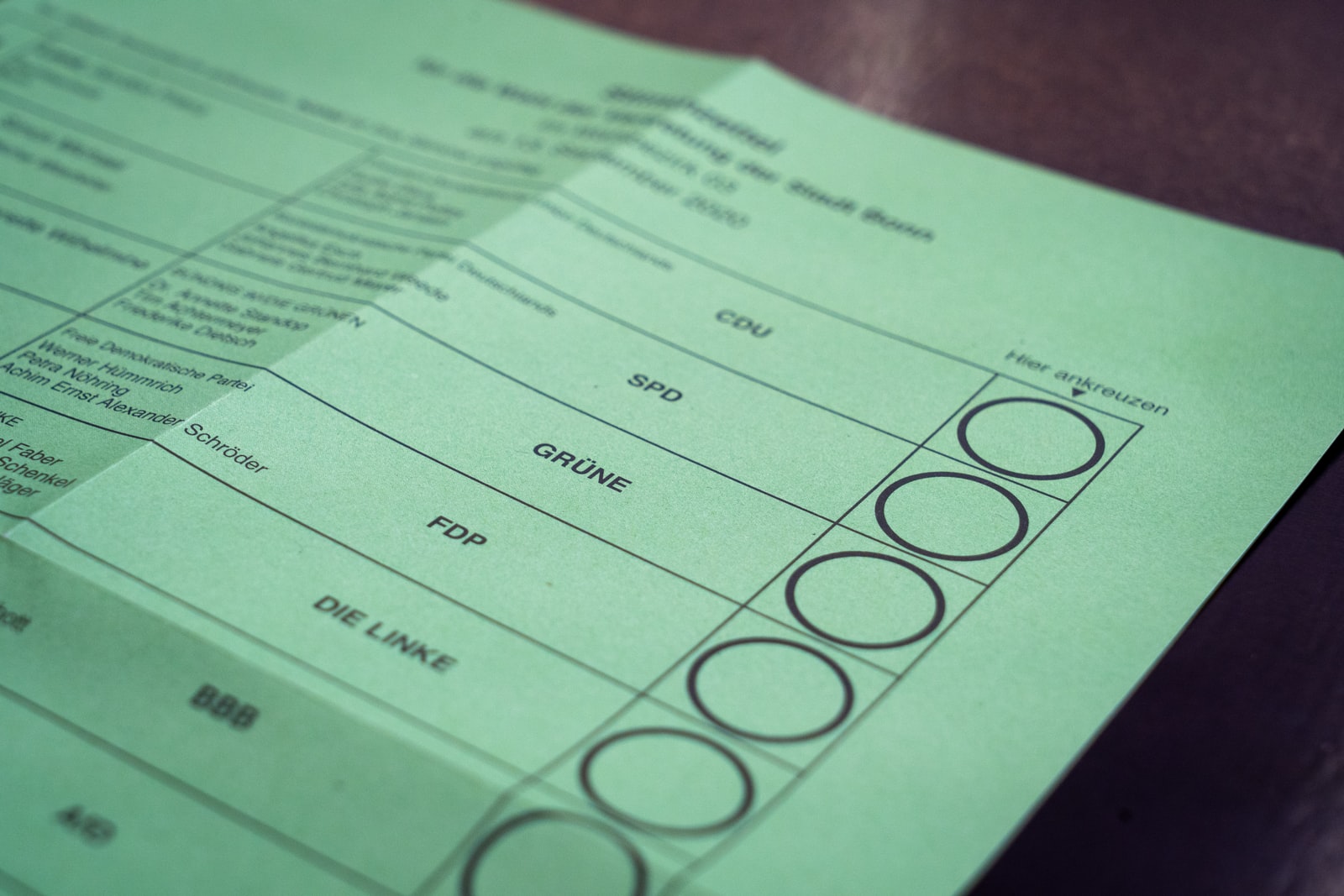
The Chamber of Deputies gave half-sanction, with 132 votes against 104, to the Single Paper Ballot project to implement in the general presidential elections and national legislators throughout the country, which was promoted by opposition blocs and was rejected by the Front de Todos and the abstention of the left. In the Upper House, the ruling party has a majority, so its definition is unknown.
The initiative was sanctioned by the votes of Together for Change, the Federal Interblock, Together for Rio Negro, the Neuquén Popular Movement, and the two right-wing benches and Ser, while the Front of All and the Missionary Concord Front did it against, and the left abstained.
The initiative inspired by the “Cordovan model” of a single paper ballot achieved the average sanction with 132 votes in favor, 104 rejections, and four abstentions, so the debate will soon move to the upper house.
Although the rehearsal of broad opposition unity that Together for Change launched together with the Federal interblock, the Liberals and loose legislators of provincial forces was successful and was enough to deal a severe effective blow to the ruling party, only clouds loom on the near horizon.
Even in the unlikely scenario of a victory in the Senate, which could only happen if a handful of pro-government legislators turn around and support the opposition bill, President Alberto Fernández will be able to exercise the constitutional right to veto.
The opposition managed to gather a strict quorum of 129 deputies with their own legislators to open the session since the Frente de Todos had anticipated that it would not come down to the floor because it considers that the issue is not on “the people’s agenda” and that it is “extemporaneous”.
The debate
At the beginning of the debate, the radical deputy for Salta, Miguel Nanni, indicated that “90% of the democratic countries on the planet have this system that we are dealing with today. The single ballot will guarantee us that the person we want to vote for will be in the dark room.”
In addition, he referred to the costs and pointed out that “the investment in the current party ballot is very high. We propose a system that provides for a surplus of 5%.”
Immediately afterward, the Buenos Aires legislator, Florencio Randazzo, maintained that “the single ballot brings a change and modernization to the Argentine electoral system” and highlighted the consensus and the number reached by the opposition to impose the debate. “The most important thing is that we have achieved a new plural and diverse majority,” he said.
The deputy of the Frente de Todos and head of the Constitutional Affairs Commission, Hernán López Araujo, defended the continuity of the party ballot, arguing that “there is no empirical evidence” that the current electoral system facilitates ballot theft or fraud electoral in its different variants.
In his speech, he asked, “to start working on a consensus agenda to deal with the issues that matter to the people.” “This topic is far from the problems of the citizens, this is a problem of the political agenda, of the caste, if you want, paraphrasing an opposition leader,” alluding to the right-wing Javier Milei.
He also lamented that the opposition is content with a “pyrrhic victory with 130 or 131 votes” in the framework of the debate about a large-scale electoral reform that would merit transversal agreements between the majority political forces.
The deputy of the Frente de Todos, Sergio Palazzo, said that the opposition “has every right to come and propose a single ballot system, what is questioned is that the centrality of its political agenda is in the electoral agenda.”
“They talk about reducing costs, this is the great discussion of Argentine politics. What for you is an expense, for us is an investment. Democracy is an investment to improve people’s lives”, he added and questioned the format of the new system: “The single ballot is like ‘Looking for Wally’”.
The deputy of Avanza Libertad, José Luis Espert, defended the project and indicated that “the State must ensure the voter can cast his vote according to his preference and with the least possible difficulty. Clearly, the single paper ballot does so by bringing together the entire electoral offer.” “We have normalized the abnormality, and part of it is voting with the partisan ballot,” he added.
The possibility of a presidential veto also hovered over the opposition’s speeches. “ We hope that the Senate is not conservative and above all that the President is not conservative and that he does not veto him. Don’t be afraid of the people and popular expression”, said the deputy for Radical Evolution, Carla Carrizo.
From the Left Front, the deputy Myriam Bregman questioned the project and warned that they are “discussing an issue that only interests the political class, while the owner of ‘Ladrónima’ laughs in our faces”, referring to the statements on price marking of the Patagonian supermarket businessman Federico Braun.
He also criticized the opposition consensus to reach an opinion on the Single Ballot, affirming with this initiative “we are not seeing the democratization of the electoral system.” “The precarious system of agreements they have reached has prevented them from making important changes,” he said, asking to discuss central issues such as the financing of electoral campaigns and the allocation of advertising space.
In the same vein, the PO deputy, Romina del Plá, pointed out that the debate “does not change the political nature of the existing and current electoral regime.” “With the Single Ballot, an electoral regime continues dominated by the financing of economic groups to politics; they are all Techint officials. The interference of the State in the life of the parties is also maintained through the PASO law, which maintains proscriptive floors, where the parties of the system have differential resources, and a whole regime of pointers and apparatuses ”, she completed.


GIPHY App Key not set. Please check settings