
 Leena Wadia
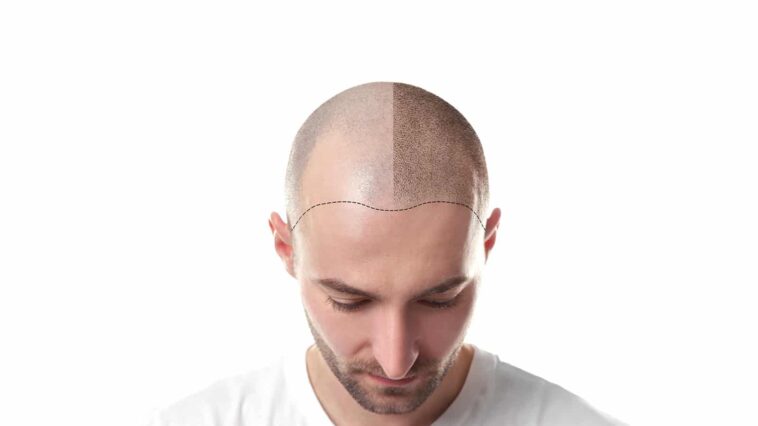
Experience that is backed by more than two decades; professionalism backed by trained personnel and cutting-edge treatments, this is how is at your service to attend to people’s beauty. Its services are extended to correct one of the conditions that most affects the aesthetics and quality of life of most men: alopecia. The solution is found in hair transplantation.
What is hair transplantation?
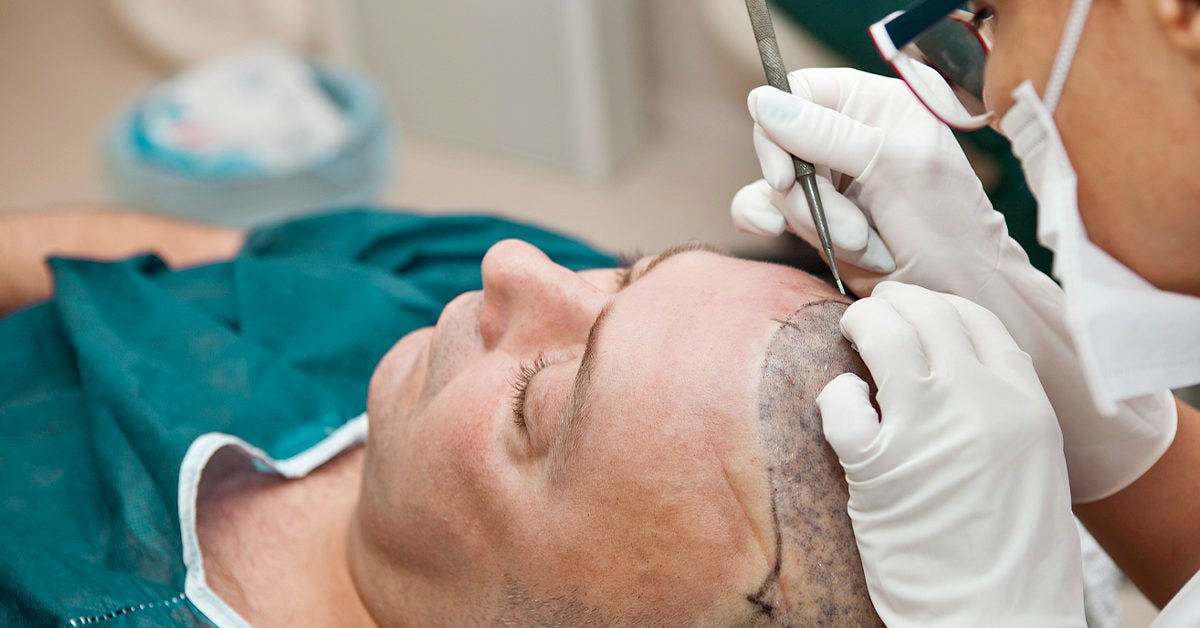
Hair transplantation or capillary micrograft is a surgical intervention that is fundamentally based on extracting follicular units from an area called donor (usually occipital area) to later implant them in an area called recipient (alopecic or baldness areas) in order to repopulate and recover hair lost by redistributing them.

There are basically two techniques. The FUSS or also known as the strip technique, which is based on obtaining a band or strip of skin from the donor area (usually occipital), from which the follicular units are extracted and later implanted in the recipient area to be repopulated. The second technique is called FUE, the most advanced technique at present and consists of extracting the follicular units one by one from the donor area using a “punch” to later implant them in the recipient area.
Who can get a hair transplant?
It can be performed in both men and women who do not have contraindications in this regard once the appropriate medical evaluation has been carried out.
What possible factors can hinder a hair transplant?
The factors that can influence not performing a hair transplant are diverse, mainly in contraindicated situations, advanced androgenetic alopecia and / or with a donor area that is scarce in quantity or density, specific types of alopecia, etc. As we pointed out in the previous section, finally the decision will depend on the medical evaluation.
Pre and Post-Treatment Cautions
Prior to surgery, the patient will have to undergo a preoperative study that includes analytics and ECG. Read the informed consent carefully and sign it.
The days before surgery, the patient will lead a normal life, although several considerations must be taken into account:
- Tobacco: Although tobacco is not considered an absolute contraindication to perform surgery, it is highly advisable that you stop smoking a minimum of 2 weeks before the intervention.
- Caffeine: The problem with caffeinated drinks before hair transplantation is that caffeine usually increases the patient’s blood pressure, which can cause bleeding during the procedure.
- Medication: In the event that the patient is taking medication (diabetes, hypertension, anticoagulants …) we will set a protocol for the day of surgery, even consulting if necessary with the specialists who have prescribed it.
- Food: Dinner the day before should be light, without sauces, spicy … with soft and easily digestible foods. Alcohol intake should be avoided for several days in advance. On the day of the intervention, the patient may have a light breakfast
After the surgery, the patient must follow the instructions given by the surgeon so that the evolution in the immediate days is as expected. The first washing of the head will be carried out in the clinic after 3-4 days after the surgery, in which the patient will be explained how these washes should be performed from that moment at home, as well as the care to to have. A second wash will be performed at the clinic on day 10 after surgery. Finally, a first review will be performed by the surgeon approximately one month and later, depending on the evolution, will continue with periodic reviews, usually at 3,6 and 12 months if there are no complications.
How will the final result that the capillary transplant allows?
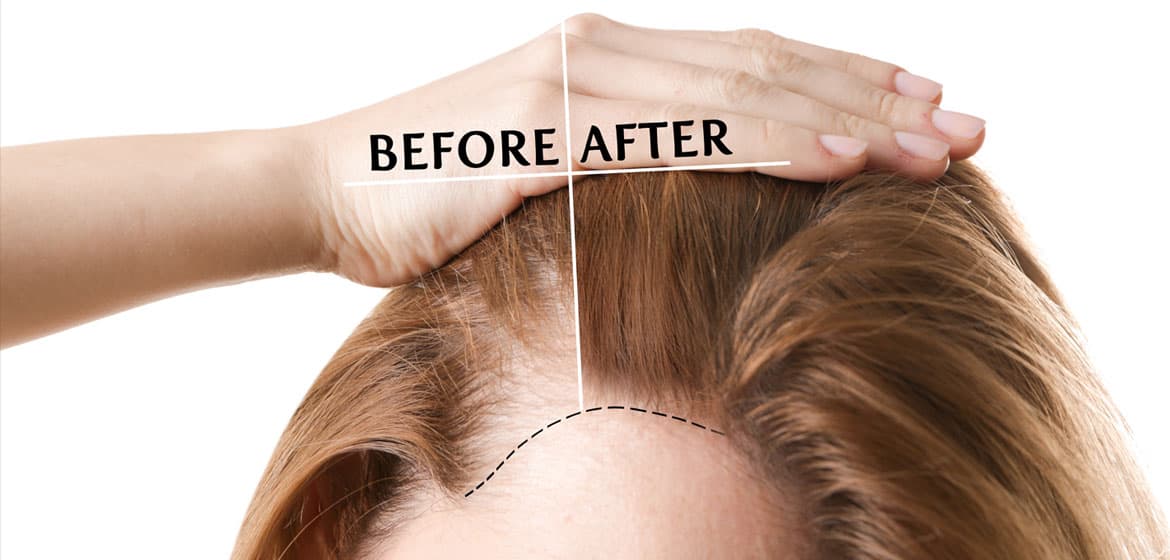
The objective of the medical-surgical team is to achieve a natural and aesthetic result and for this, it defines a design according to the characteristics of the patient, always with the opinion of the patient, in addition to providing an adequate density for the success of the surgery.
How to maintain the results of a hair transplant?
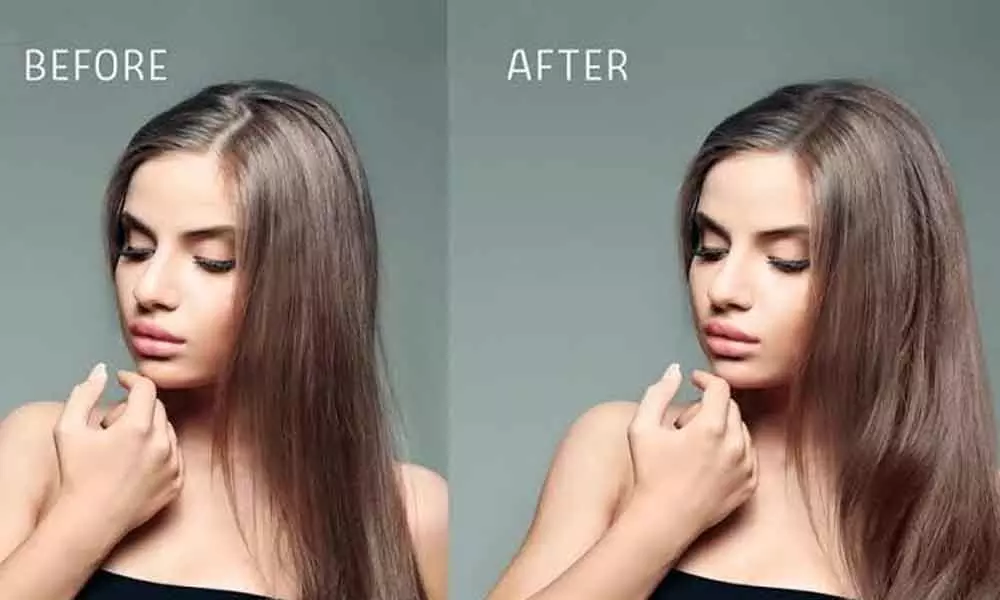
It will be necessary to follow the indications and considerations of the doctor-surgeon so that the evolution of the transplant is satisfactory, go to the different postoperative evaluations marked to observe the evolution and act according to it and finally, whenever it is indicated and depending on each patient , other adjuvant therapies can be used that will help and reinforce the transplant
How is the hair transplant process carried out?
As we have commented, the most advanced technique is the FUE. It is carried out under local anesthesia, using a punch micromotor that extracts the follicular units one by one from the donor area. The follicular units (FUs) are placed in a container with liquid medium in such a way that when all the necessary FUs have been extracted, they are implanted in the donor area using instruments called Implants, although they can also be grafted in manual mode with suitable tweezers.
What are the possible side effects of hair transplantation?

Usually the side effects that can occur in a hair transplant have a low incidence, although these can appear, the most frequent being:
- Folliculitis It is an inflammation of the hair follicle, which normally appears in the form of small small whitish or reddish grains and which translates into an infection, which must be treated appropriately by the specialist.
- Edema. The appearance of edema that is given before any intervention is very common, due to a reaction that is normal on the part of our body. The care to follow in these cases will be indicated by the specialist, being mainly rest and application of cold on the affected area in the next 24 hours
- Paresthesia or feeling of numbness: Very common effect, usually temporary
- Others: Itching, headache, problems with healing and allergic reactions
Are there any other similar treatments available?
We already spoke in a previous section that there are adjuvant treatments that help and reinforce hair transplantation, the most important and most widely used being oral medication and topical solutions, treatments with PRP (Platelet-rich plasma) that is based on administering to the scalp plasma of the person, Mesotherapy and finally the low power laser.



GIPHY App Key not set. Please check settings