
 Adam Smith
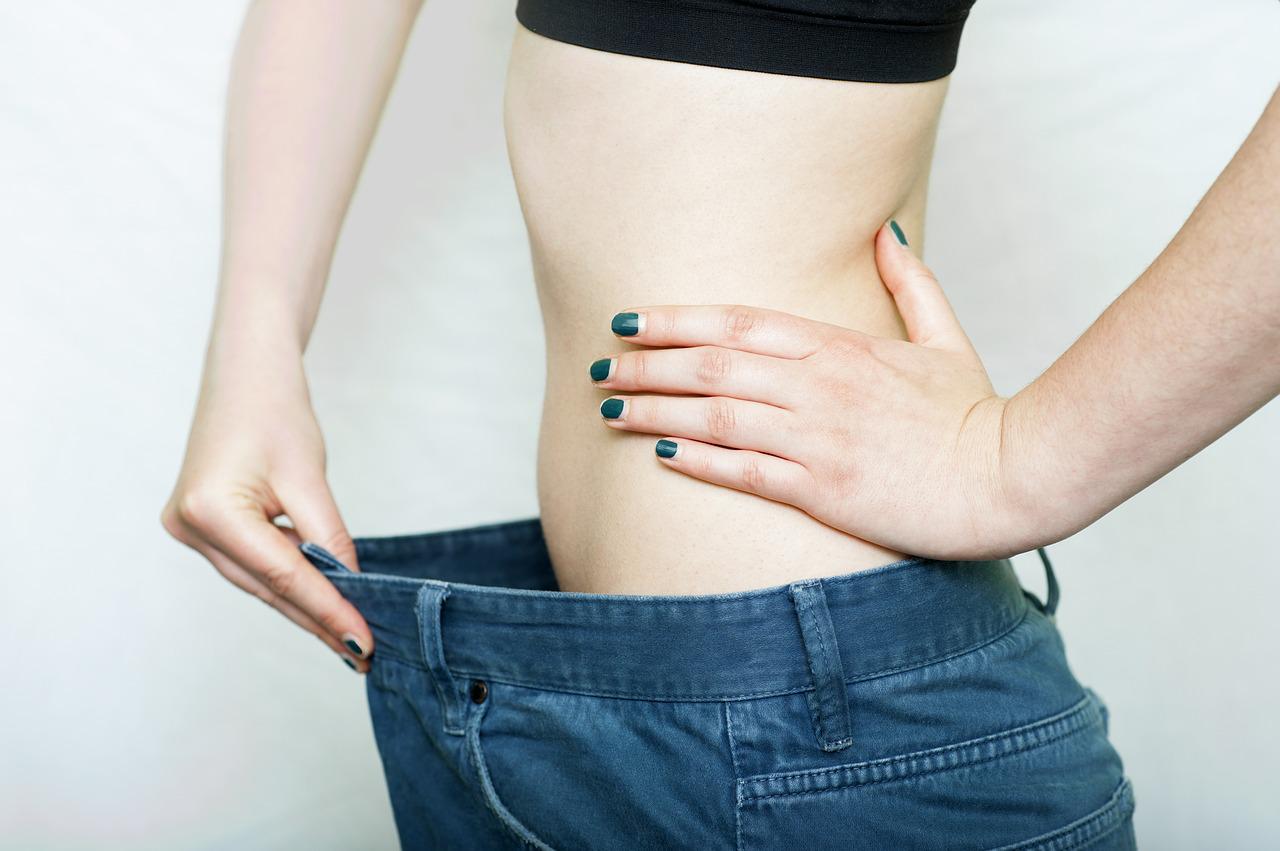
Over the years, aesthetic treatments have more and more place in society, men and women today are more concerned about their physical appearance than a few decades ago, and this has led to beauty and aesthetic treatments becoming increasingly common. more innovative and successfully meet the needs of patients.
One of the current concerns is cellulite or localized fat deposits that tend to be more difficult to eliminate when you have already lost weight. For this, there is cavitation, a non-invasive aesthetic medical treatment that helps reduce cellulite and significantly reduces localized fat in parts of the body where it has been difficult to lose weight, such as the abdomen, hips, and arms.
What is cavitation?
It is a non-invasive and non-surgical medical-aesthetic technique that uses low-frequency ultrasound to eliminate localized fat and achieve a reductive effect. It is a state-of-the-art procedure that consists of a wave that is transmitted to the fatty tissue to stimulate the movement of localized fat, causing the adiposity to detach and disintegrate.
It is a simple, fast, and painless treatment that encourages adipose tissue to decrease and reduce thanks to the ultrasounds emitted by the device with which the massage is performed. With this treatment, it is possible to reduce fat tissues in a specific way and in localized places, and it is generally recommended to patients who are not overweight but simply want to improve the appearance of their body and skin.
It is a treatment that does not require any type of anesthesia since no incision is made in the skin; however, in the first sessions it can cause discomfort and in patients with sensitive skin, small bruises may appear; however, these will disappear as the treatment ends.
Who can perform the treatment?
It is a process that can be performed on any healthy person who is not overweight since this treatment is designed to reduce localized fat tissues and not in large areas.
The Doctor adds that cavitation and contraindicated in people with severe stá autoimmune diseases, acute kidney injury skin, pacemakers, artificial limbs, hearing disorders, or liver. Nor can it be performed in pregnant or lactating women.
In patients who must lose a lot of weight, other types of treatments are recommended, but cavitation is usually one of the ideal procedures after an operation such as abdominoplasty or liposuction; since it will help small batches of fat that have remained after the surgery, to diminish.
Where can I do it?
It is important to be well informed about where to perform cavitation since the success of your treatment depends on the quality of the equipment used by the medical center. It is also important that the aesthetic or medical professional who performs the treatment is trained to do so.
The patient should feel free to request the certificates that support their knowledge of the process and the equipment; Likewise, you could request testimonials from patients who have already completed the process and before-after photos; This will help you make a better decision about where you go.
Finally, the value of the service should not be a relevant factor when undergoing the process; since in aesthetic and medical treatments it is better not to skimp on costs; since, although cavitation is an aesthetic treatment, the health of the patient can also be at risk if the appropriate equipment and personnel are not used.
To conclude, Dr comments that the treatment must be carried out by trained and qualified health personnel so that the efficacy of the treatment is confirmed and guaranteed. It is important, apart from having qualified staff, to have the equipment or a machine that is of high quality.
How is the first consultation?
The first consultation before performing cavitation is usually an assessment consultation where the patient’s body mass index, fat index, eating habits, and the level of physical exercise that the patient practices will be analyzed.
From that first consultation, it will be decided how many cavitation sessions the patient can have and if he needs another type of treatment, but says that it depends on the needs of each patient, one session a week can always be done, and many times it is necessary to accumulate between 10 to 15 sessions to obtain satisfactory results.
Types of cavitation
Not all medical or aesthetic centers carry out the same type of treatment, this depends a lot on the type of equipment and the technology used, but basically, these are the three types of cavitation. It is necessary to clarify that what makes the treatment different in each case is not the technique since it is the same in all cases, but the equipment with which the treatment is carried out, since some may be more powerful than others.
- Traditional or stable cavitation: It is the one that emits ultrasound in the body, which helps the adipose tissue to loosen and detach from the other tissue, from that detachment is usually seen the decrease in localized fat.
- Double cavitation: It is the same technique as the traditional one; But in this case, the equipment that is handled is different, it generates waves of different frequencies that raise the internal temperature, which causes the adipose tissues to break due to the heat.
- Ultra cavitation: It is the technology that ultrasound uses to eliminate the cells that produce fat. Unlike the traditional ones, ultra cavitation eliminates the cells that produce fat and fat at the same time. Also, the ultra cavitation equipment can be calibrated in different measures to handle any type of area with the necessary time and temperature.
It is important that the medical center clarifies what type of equipment it works with and informs the patient if this is the one they want to achieve the optimal results they want to see in their body. Although it is worth mentioning that each case is unique, and in this type of treatment a patient committed to the process is also needed.
Preparation for treatment
Being a procedure that does not require hospitalization or anesthesia, the preparation is not usually as exhaustive as with other treatments, but even so, these are the recommendations before the cavitation treatment:
- Arrive 10 minutes before the session, this is for the preparation of the patient.
- It is important to be well hydrated before and after the session, it is advisable to drink approximately one liter of water before the treatment.
- Inform the medical professional of the medications you will take during the cavitation process.
- No heat treatments should be performed on the day of the procedure, such as laser hair removal or pulsed light treatments.
How is cavitation done?
Cavitation is not a surgery, it is an aesthetic procedure that usually lasts 30 to 35 minutes per session, depending on the equipment with which it is performed, these are the great steps in a session:
- Before performing the treatment, the patient must remove their clothing and put on the appropriate clothing provided by the aesthetic center.
- The chosen area will be divided into quadrants.
- The specialized gel is applied for each type of cavitation in the area.
- The area is massaged with cavitation equipment for as long as necessary, generally 6 to 10 minutes, but it depends on the hardness and thickness of the adipose tissue.
- Once the process is finished, it is usually recommended to use drainage techniques or practice moderate physical exercise.
Results
The results of cavitation can be visible from the first treatment session, one of the first visible signs that the patient will notice will be the continuous urge to urinate; This is because the fat that is shedding must leave the body, and urine is the fast track.
Other benefits when finishing a complete cavitation treatment (which can last from 6 to 12 sessions) is that cellulite will be more tenuous and compact fat will be reduced; This can be verified not with weight, but with measurements. The body, in the case of the abdomen and legs, will be firmer and better shaped. If the patient has done the treatment in a disciplined way, it has a high degree of satisfaction in those who perform it.
The SECURE affirms that this non-invasive technique, such as ultrasound, radiofrequency, cryolipolysis, or laser, achieves very small reductions in adipose tissue, by mainly pursuing the destruction of fat cells, but not their suction.
Contraindications or side effects
The contraindications or risks of cavitation are minor compared to other types of aesthetic treatment since it is a non-invasive treatment, even so, the medical professional who performs it must be fully trained to handle the equipment properly and not cause any type of burn in the patient. This is why it is recommended to go to a highly trained professional who knows your equipment and knows how to handle it properly.
Another basic risk of the treatment is the appearance of seromas, cavitation breaks the fat cells that are eliminated naturally through fluids and with the lymphatic system. When the human body removes so much fluid it can automatically try to make up for that loss of water from the body and this causes seromas.
The risks of cavitation are low and generally do not appear in most cases. If you want a more in-depth analysis of the risks, you should ask the professional who is going to carry out the session to report on the pros and cons of the treatment.
Frequent questions
- What is achieved with cavitation? The volume of many parts of the body is reduced by the elimination of fat cells.
- Can cavitation be mixed with another type of treatment? We recommend the combination with techniques such as pressotherapy, mesotherapy, or carboxytherapy to optimize results.
- Does it work in male breast reduction? Cavitation in the chest area is not recommended, due to its proximity to the heart.
- If I am pregnant, can I do cavitation or pressotherapy sessions? It is not recommended in pregnant women. In this case, if the woman spends too much time sitting due to her work, it is recommended that she get up every 20 minutes, turn the chair, walk, and practice moderate exercises that promote circulation.
- What is the minimum age to perform cavitation? It is recommended that the patient is of legal age; that is to say, 18 years.
- Is it recommended for patients with high cholesterol? In principle, cavitation is not recommended for people who have high cholesterol and are outside the recommended parameters.


GIPHY App Key not set. Please check settings