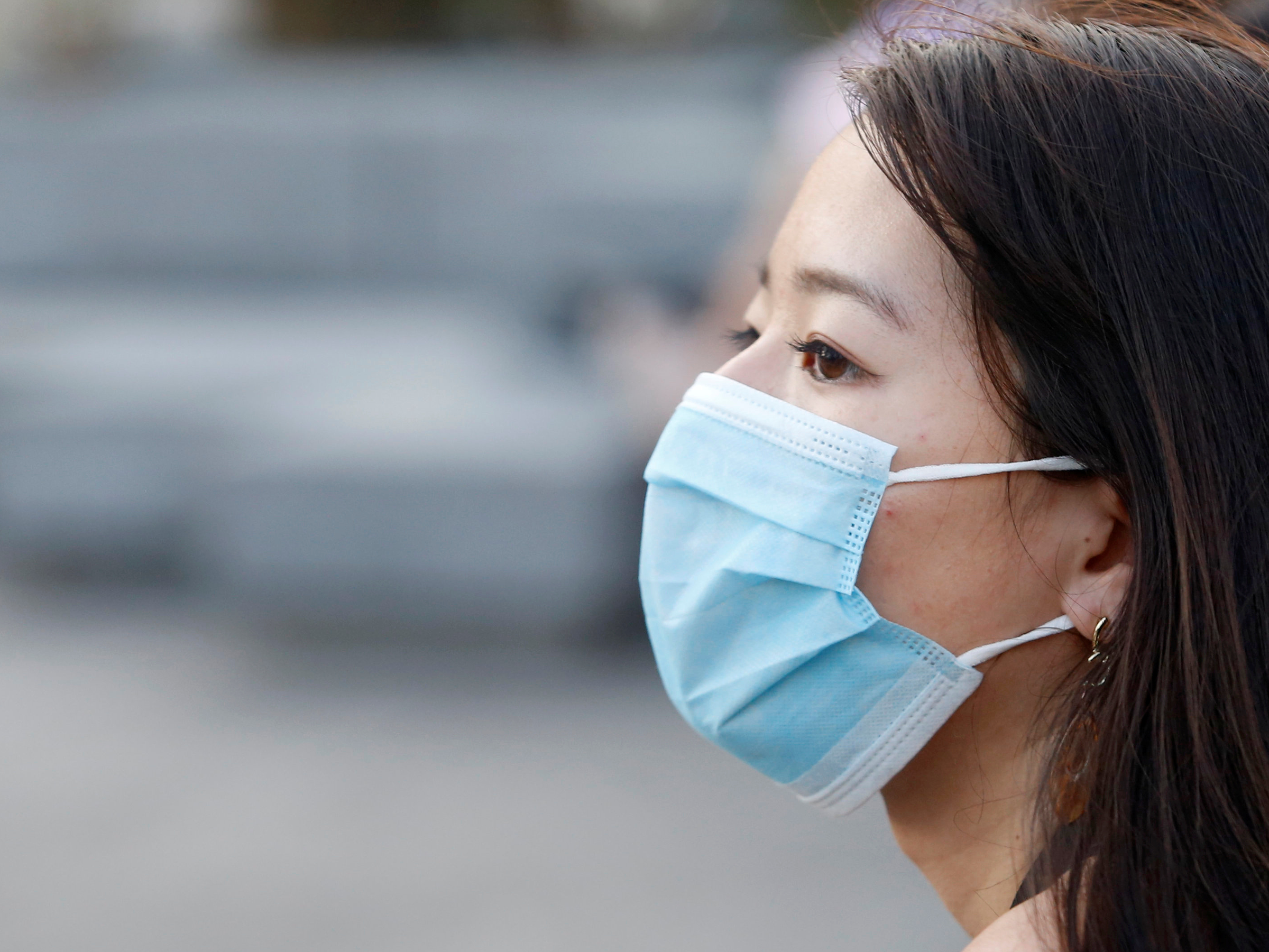
To wear or not to wear a mask that is the question
This is what is happening with the recommendation to wear a mask to reduce the risk of contagion of the coronavirus. Some are in favor, others against. Different countries are making different recommendations, all based on the best available scientific evidence. The problem is that the available evidence is insufficient to draw reliable conclusions.
The decisions made now will determine what the world will be like after the pandemic
In this situation, the recommendation made by each, be it a private researcher, a scientific organization or a government, is not based on certainty. The recommendation ends up being a reflection of the values, fears, prejudices and interests of each one.
So that you too can form an opinion based on your values, fears and prejudices, it may be useful for us to clarify what is known and what is ignored about the use of masks to prevent the infections of the new SARS-CoV-2 coronavirus. What is known:
1. SARS-CoV-2 is a respiratory virus that passes from one person to another on board the tiny droplets that we expel when we cough (or even when we speak). These drops fall by their own gravity and do not usually reach more than a meter from the emitter – although a sneeze can send them further.
2. Both people with symptoms of Covid-19 and carriers of the coronavirus who have no symptoms can transmit the infection to others.
3. Surgical masks – the most common and simplest – are not designed to protect the wearer but rather to prevent their users from infecting other people (that is why surgeons put them on). Respiratory protection masks – more expensive and complex, because they incorporate a filter – are designed to protect the wearer.
4. Lack of protective material for healthcare personnel, including face masks, in hospitals around the world.
Based on these facts, so far the World Health Organization (WHO) and the US Centers for Disease Control and Prevention (CDC) have only recommended the use of surgical masks outside healthcare facilities in two cases: people with respiratory infections so as not to infect healthy people; and people who care for patients with respiratory infections because the surgical mask offers some protection.
They have not been recommended in public places or in workplaces because there is no evidence of their effectiveness and because it is considered that masks should be used primarily for hospitals, where they are most needed.
However, the CDC is now open to change criteria and recommend the use of masks also in public spaces. This change in criteria is explained, not by what is known, but by what is not known:
1. Right now in the US It is not known how many people are carriers of the coronavirus, but they do not have symptoms and are not aware that they can infect others. Nor is it known in Spain or in any other country.
2. It is not known what percentage of coronavirus infections are caused by asymptomatic or asymptomatic carriers.
3. Although the virus is transmitted through small droplets that do not travel more than a meter, it is not ruled out that it can also be transmitted in the form of aerosols capable of traveling long distances in the air. It is unknown if this is a possible or even frequent contagion mechanism.
With these unknowns, it can be argued that, if asymptomatic carriers wear a mask in public places, the risk of infecting other people without knowing it would be reduced. As the asymptomatic carriers do not know that they are infected, it can be argued that everyone should wear a mask in public places – or at least in places where the risk of contagion is considered higher, such as public transport or shopping centers. And although a priori it may seem abusive that we are all treated as suspected sources of contagion, or that we are detained if we do not accept our status as suspects, perhaps we will be willing to accept it if they present it to us as a requirement to get out of confinement. All this without having yet proven that the use of masks in public places has no efficacy.
The problem, for those who must regulate the use of masks, is how to decide what to do when there is no way of knowing what is better. They will have to decide with the information available now knowing that the recommendations they make may be absurd in the future. In the current emergency situation, the most cautious option will foresee ably be chosen and the use of masks will be extended.
These measures are likely to be continued later when they are no longer justified. Remember the ban on passing a bottle of water at airport controls that was adopted after the 9/11 attacks? More than 18 years have passed and the ban remains in place. With the masks the same can happen, we will all become suspects of an attack on public health. Because the decisions made now will determine what the world will be like after the pandemic.
The John Wick series has established itself as one of the few major action series today that… Read More
After binge-watching Shadow and Bone season 2, many viewers have been left with a million… Read More
The thought of Thor coming down from the heavens and saving us from catastrophes is… Read More
The action movie industry has been dominated by superhero franchises such as Marvel and DC… Read More
You might be disappointed when you watch Tiller Russell's latest documentary series, Waco: American Apocalypse,… Read More
The Pope’s Exorcist is a horror movie released in 2023 that’s based on the life… Read More
