9kbsq91nfwg
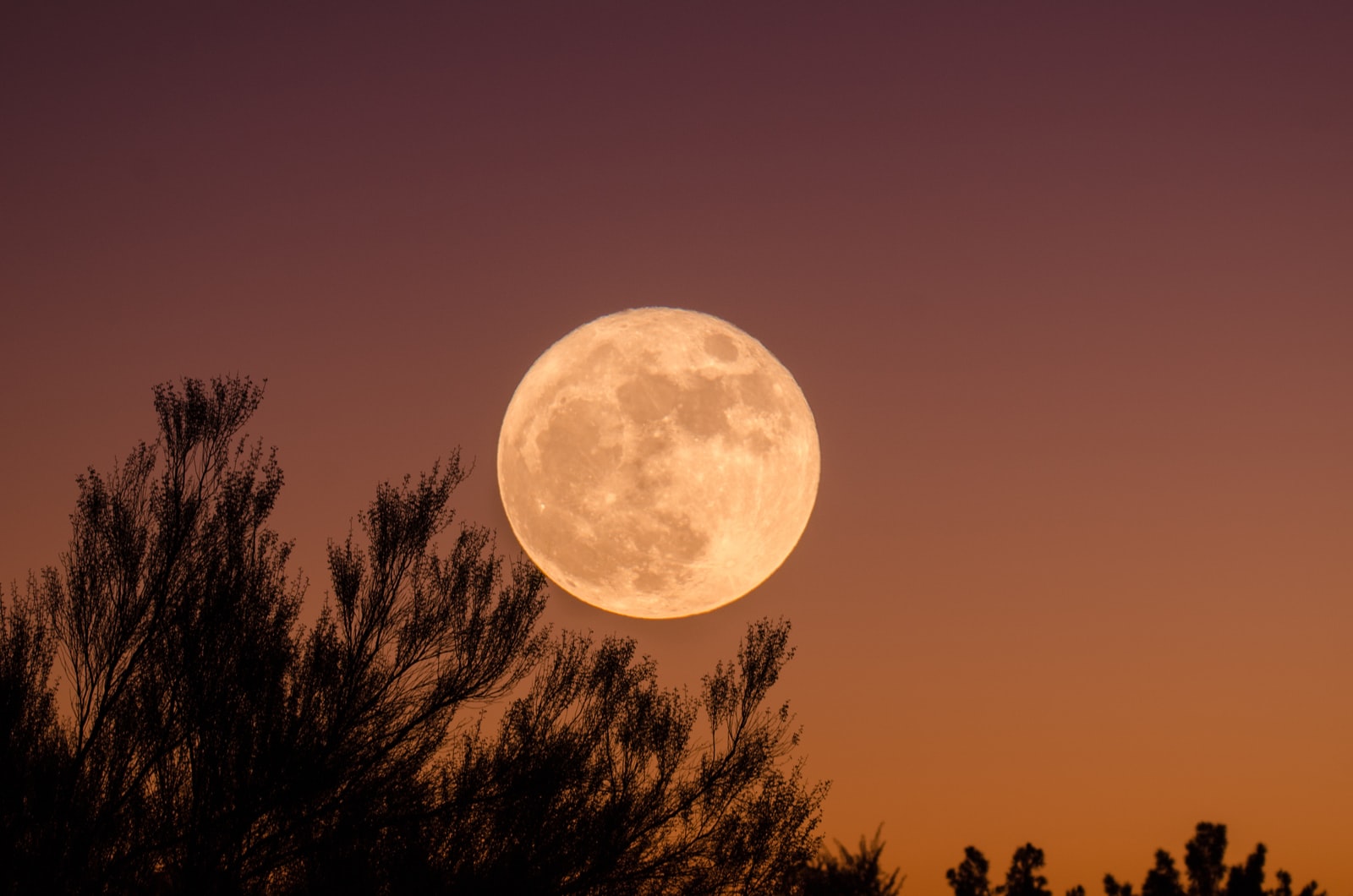
June came full of unique and spectacular astronomical events, one of them will be the appearance of the Full Strawberry Moon, which will also be the first Supermoon of the year.
Sooner than you think, the Full Strawberry Moon will rise through the dark and clear skies, corresponding to June. The Full Moon is the lunar phase in which the illumination of the Sun can best be appreciated on the day side of the Earth’s natural satellite, that is why it looks brighter than usual but added to the fact that it will be closer to us, will adopt the name of Supermoon.
The Full Moon names used by The Old Farmer’s Almanac come from various places, including Native American, Colonial American, and European influences. Since ancient times the name has been applied to the entire lunar month and not only to the Moon that rises once.
This month’s Moon is the last of spring as well as the first of summer.
His nickname has been used for years among the Algonquin, Ojibwe, Dakota, and Lakota peoples and refers to the ripening of the strawberries that are ready to be picked.
Other names for this June Moon include Blooming Moon, which is indicative of the blooming season; Green Corn Moon and Hoer Moon, which suggest that it is time to care for young crops, and Birth Moon, which refers to the time when animals are born in the northeastern Pacific region of North America.
In Europe, this Moon has also been baptized as Honey Moon and Mead Moon, and it is that traditionally, in these regions, June is the month of marriages and the month refers to the Roman goddess of marriage, Juno.
The Strawberry Full Moon or Strawberry Supermoon will appear on Tuesday, June 14, minutes after sunset, just to the southeast, above the horizon.
According to NASA predictions, the Moon will reach its maximum illumination at 7:52 a.m. ET on Tuesday the 14th, but will not be seen in North American time zones, including Mexico, until later that night, when going up over the horizon.
This June 14, the Moon will be at a distance of 357,658 kilometers from Earth and, according to The Almanac, will reach 90 percent of perigee.
Earth Sky data shows that Supermoons appear noticeably brighter than ordinary full Moons because a Supermoon exceeds the disk size and brightness of an average full Moon by up to 15 percent.
The second Supermoon will be on July 13, which will appear in the sky under the name of Luna Deer, at a distance of 357 thousand 418 kilometers from Earth.
The John Wick series has established itself as one of the few major action series today that… Read More
After binge-watching Shadow and Bone season 2, many viewers have been left with a million… Read More
The thought of Thor coming down from the heavens and saving us from catastrophes is… Read More
The action movie industry has been dominated by superhero franchises such as Marvel and DC… Read More
You might be disappointed when you watch Tiller Russell's latest documentary series, Waco: American Apocalypse,… Read More
The Pope’s Exorcist is a horror movie released in 2023 that’s based on the life… Read More
