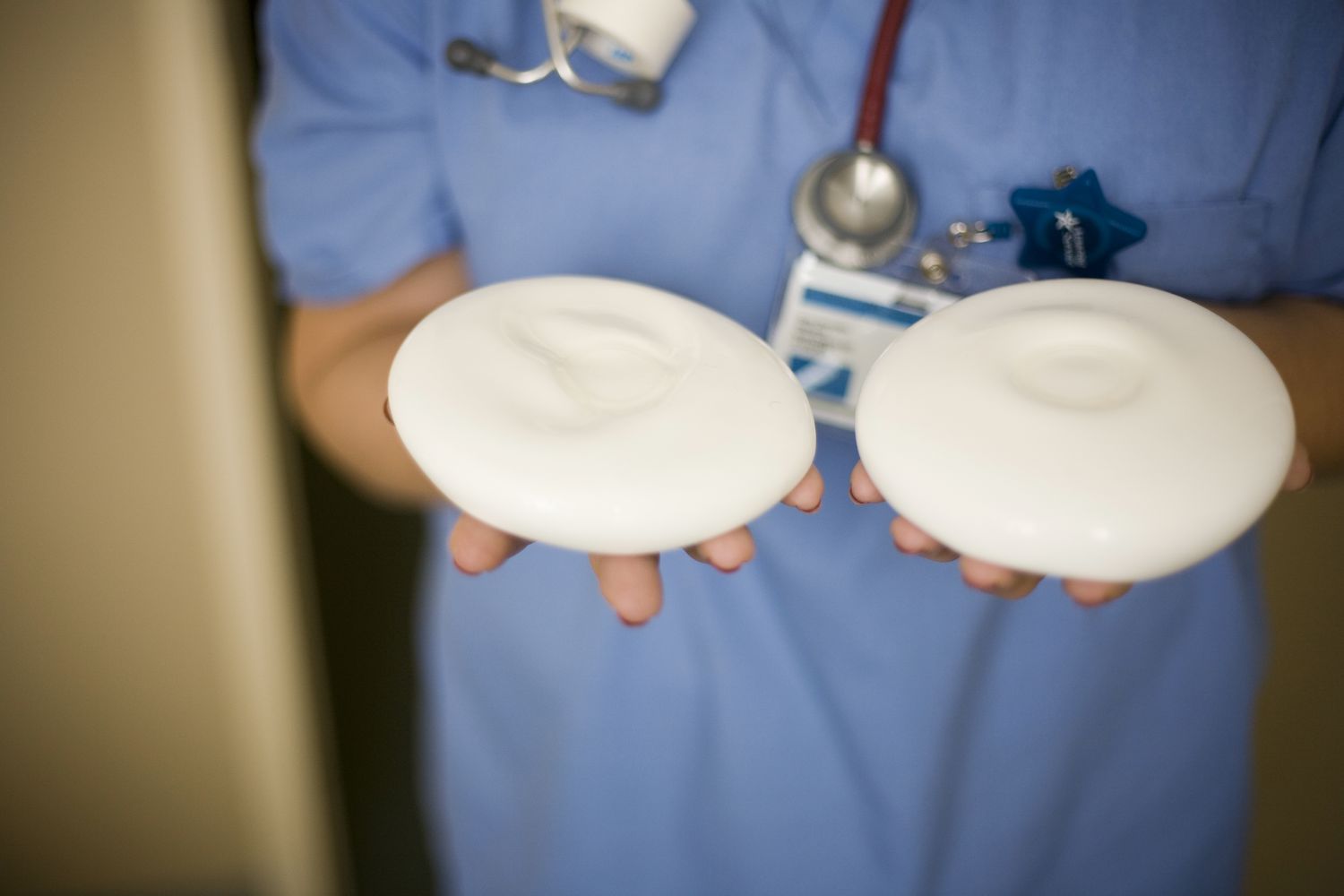
polyurethane implants
These implants have been known since before the 1990s. Although they were not manufactured for a while due to the delay in the FDA for their approval, they are currently one of the safest options for breast augmentation. Precisely for this reason, they are used almost exclusively in secondary mammoplasties.
Breast surgery is possibly one of the most common cosmetic procedures. Within these operations, breast augmentation is perhaps the most demanded, closely followed by mastopexy. Age, pregnancy, subsequent breastfeeding, or a drastic loss of weight significantly affect the size, smoothness, and shape of the breasts. And, of course, breast cancer, which negatively affects a woman’s breast. In many cases, this disease requires mastectomy or lumpectomy, an operation that removes the tumor from the affected breast and part of the surrounding tissue and can be partial, subcutaneous, or total in the most severe cases.
That is why breast implants are a way not only to improve the appearance of women but to increase their self-esteem. Many women who have undergone a mastectomy want to be able to feel whole again, forget the disease and its consequences, and feel feminine again, and attractive. Therefore, breast reconstruction makes use of this type of implant, which, as we will see, has less risk of encapsulation.
And the same happens in the case of those women who have undergone a breast augmentation or a mastopexy but who are not satisfied with the results, either because they do not feel comfortable aesthetically, or because problems have arisen that require a new operation, like capsular contracture, for example. In these situations, polyurethane implants are also often chosen.
Polyurethane prostheses are ultra-textured silicone implants covered with micro polyurethane foam, a foam that, with time, ends up integrating with the surrounding tissue (silicone implants do not present the adhesion that those covered with micro polyurethane have, but rather are isolated from the rest of the tissues by a capsule), which avoids possible muscle contractures, one of the biggest problems that can arise after breast augmentation and which requires, in the most severe cases, a second operation to replace the prosthesis encapsulated by a new implant.
Although it has not been used for long in our country, some Latin American countries have been using these implants for more than two decades with very satisfactory results, both in terms of safety and durability. That is why they are the prostheses chosen to treat problems derived from breast augmentation or lift surgeries, as well as breast reconstruction operations or in cases where the intervention may be complex or delicate for the patient.
Two are the brands that stand out in this type of implant: the Brazilian SLIMED, which dedicated itself to manufacturing silicone prostheses covered with polyurethane after the FDA’s ban, and the German Polytech, which has been marketing these implants for more than a decade. on the European continent, where they have become a benchmark in quality.
Compared with silicone prostheses, implants covered with micro polyurethane foam have the following advantages :
But polyurethane implants also have aspects that are not so advantageous. Among them, we want to point out the following:
This post was last modified on January 8, 2023 1:03 pm
The John Wick series has established itself as one of the few major action series today that… Read More
After binge-watching Shadow and Bone season 2, many viewers have been left with a million… Read More
The thought of Thor coming down from the heavens and saving us from catastrophes is… Read More
The action movie industry has been dominated by superhero franchises such as Marvel and DC… Read More
You might be disappointed when you watch Tiller Russell's latest documentary series, Waco: American Apocalypse,… Read More
The Pope’s Exorcist is a horror movie released in 2023 that’s based on the life… Read More



