COV 1 3
Despite characterizing age and comorbidities as drivers of the COVID-19 disease caused by the SARS-CoV-2 coronavirus, Scientists are still not clear on precisely what are the drivers of severe forms of this disease in a person who is infected and ends up in an Intensive Care Unit (ICU).
Unlike many viral infections and most respiratory virus infections, coronavirus disease 2019 (COVID-19) is characterized by a complex and diversified spectrum of clinical manifestations:
(1) asymptomatic individuals,
(2) patients presenting with influenza -as illnesses,
(3) patients affected by respiratory dysfunction who eventually need an external supply of oxygen, and
(4) patients suffering from acute respiratory distress syndrome (ARDS) who need invasive mechanical ventilation in an intensive care unit (ICU).
It is known that factors such as diabetes, advanced age, obesity, or suffering from other respiratory diseases, could aggravate the disease. However, there have also been numerous cases in which the most serious and critical form of COVID-19 has been expressed in young and completely healthy individuals.
To delve further into the reasons, a recent scientific study published in the journal Science Translational Medicine tries to elucidate the genetic issues that can weigh when suffering from severe COVID-19.
The present study focused on patients who were hospitalized for COVID-19 in a network of university hospitals in northeastern France (Alsace) during the first French wave of the pandemic (March to April 2020), before routine use of corticosteroids. A total of 72 patients under 50 years of age without comorbidities were enrolled.
A second independent cohort consisting of 81 critically ill and 73 critically ill recovered from one of the ICU departments of the University of Strasbourg hospitals was then used to further evaluate our molecular classification findings.
In the international study carried out, the researchers sequenced the genome and analyzed plasma and blood samples from “critical” patients (in the intensive care unit with mechanical ventilation) and 25 “non-critical” patients (in a non-critical care ward). with COVID-19 and 22 healthy individuals. Study methods included whole genome sequencing, whole blood RNA sequencing, blood and plasma mononuclear cell proteomics, cytokine profiling, and high-throughput immunophenotyping, explained by Dr. Raphael Carapito and his colleagues in charge of the research.
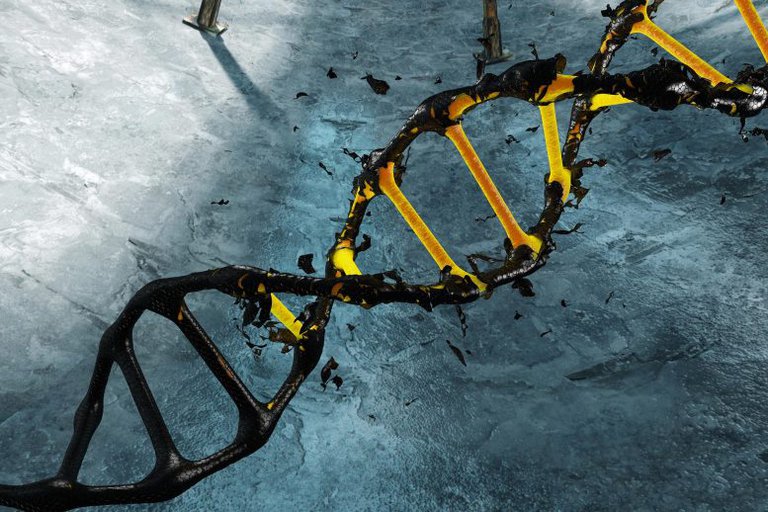
Researchers identified genetic patterns that may help explain why some young, healthy people still develop severe or life-threatening cases of COVID-19. Critical COVID-19 patients were characterized by exacerbated inflammation, disturbed lymphoid and myeloid compartments, increased coagulation, and viral cell biology. The international team of scientists found some of the genetic signatures that could be behind the most serious and deadly cases of the illness. The data points to the expression of a gene called ADAM9.
Carapito’s team also found that silencing ADAM9 in human lung epithelial cells infected with SARS-CoV-2 slowed down virus replication, suggesting that the gene should be further studied as a possible therapeutic target.
“By offering insight into an important unanswered question in the ongoing pandemic, the findings of this study of 72 patients could serve as the basis for investigating new diagnostic, prognostic, and treatment strategies for the disease,” the expert said.
And he concluded: “In this cross-sectional study, our objective was to analyze the molecular changes induced by SARS-CoV-2 that are characteristic of critical patients and to differentiate them from non-critical patients. We hypothesized that certain driver genes in the host could be responsible for the development of critical diseases and that these genes could represent therapeutic targets”.
The John Wick series has established itself as one of the few major action series today that… Read More
After binge-watching Shadow and Bone season 2, many viewers have been left with a million… Read More
The thought of Thor coming down from the heavens and saving us from catastrophes is… Read More
The action movie industry has been dominated by superhero franchises such as Marvel and DC… Read More
You might be disappointed when you watch Tiller Russell's latest documentary series, Waco: American Apocalypse,… Read More
The Pope’s Exorcist is a horror movie released in 2023 that’s based on the life… Read More


