mljhxq5qxxy
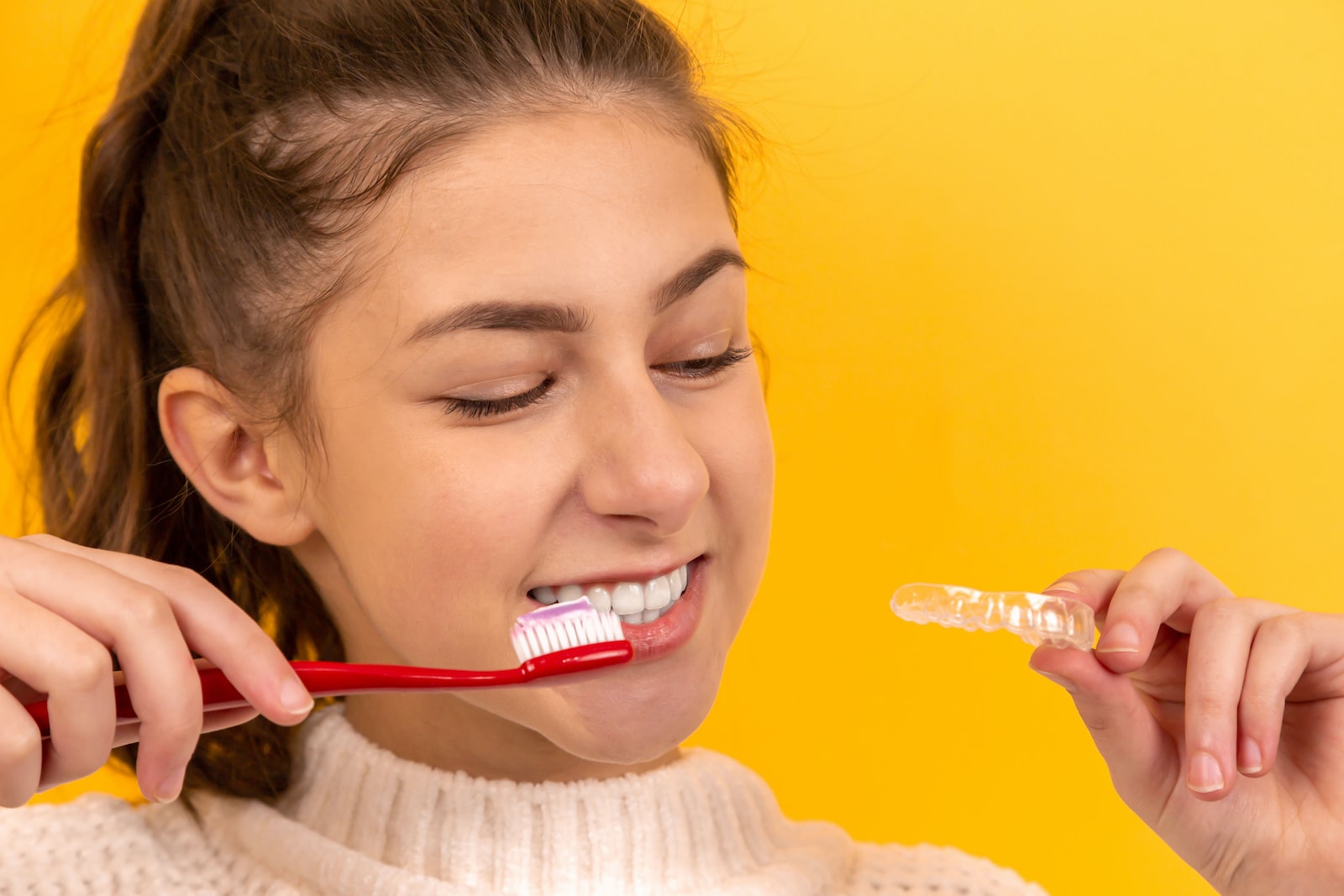
The American Dental Association (ADA) recommends brushing your teeth twice a day for a full two minutes, but so far that advice doesn’t speak to the best time of day to do it.
According to the Mayo Clinic, good oral health is not only important for your mouth, teeth, and gums, but it can also affect the health of your entire body.
In fact, studies show that oral bacteria and the inflammation associated with them may play a role in some diseases .
Your oral health can contribute to endocarditis, cardiovascular disease, complications of pregnancy and childbirth, and pneumonia.
Healthline explains that most people brush every morning and night to establish a good routine, but the big question seems to be whether to brush before or after breakfast.
Some experts insist that brushing your teeth before breakfast kills bacteria that built up overnight and is beneficial for tooth enamel and overall dental health.
Also, this method eliminates that unpleasant taste in the mouth that causes “morning breath” and when we brush first thing in the morning, we also activate our saliva system.
But if you are one of those who prefer to brush your teeth after breakfast, you should consider avoiding eating or drinking acidic foods, such as orange juice, citrus fruits, dried fruits, bread and cakes.
Brushing your teeth after breakfast will coat your teeth with acid residue that can weaken the enamel. This is why the ADA recommends waiting 60 minutes after eating before brushing your teeth , especially acidic foods.
Other recommendations include drinking water or chewing sugarless gum to clean your teeth before brushing.
Whether you use an electric or standard toothbrush, take a full two minutes to clean your teeth, concentrating on 30 seconds for each quadrant.
Use a small amount of water and apply a pea-sized dollop of fluoride toothpaste to the bristles. Angle the brush so it reaches the gum line and other hard-to-reach places.
Dr. Gabe Mirkin recommends waiting before rinsing your mouth or using a mouthwash that could remove the fluoride that toothpaste leaves on your teeth.
In addition, she advises replacing your toothbrush every three to four months, as frayed bristles are less effective at removing food particles and plaque from teeth.
The John Wick series has established itself as one of the few major action series today that… Read More
After binge-watching Shadow and Bone season 2, many viewers have been left with a million… Read More
The thought of Thor coming down from the heavens and saving us from catastrophes is… Read More
The action movie industry has been dominated by superhero franchises such as Marvel and DC… Read More
You might be disappointed when you watch Tiller Russell's latest documentary series, Waco: American Apocalypse,… Read More
The Pope’s Exorcist is a horror movie released in 2023 that’s based on the life… Read More
