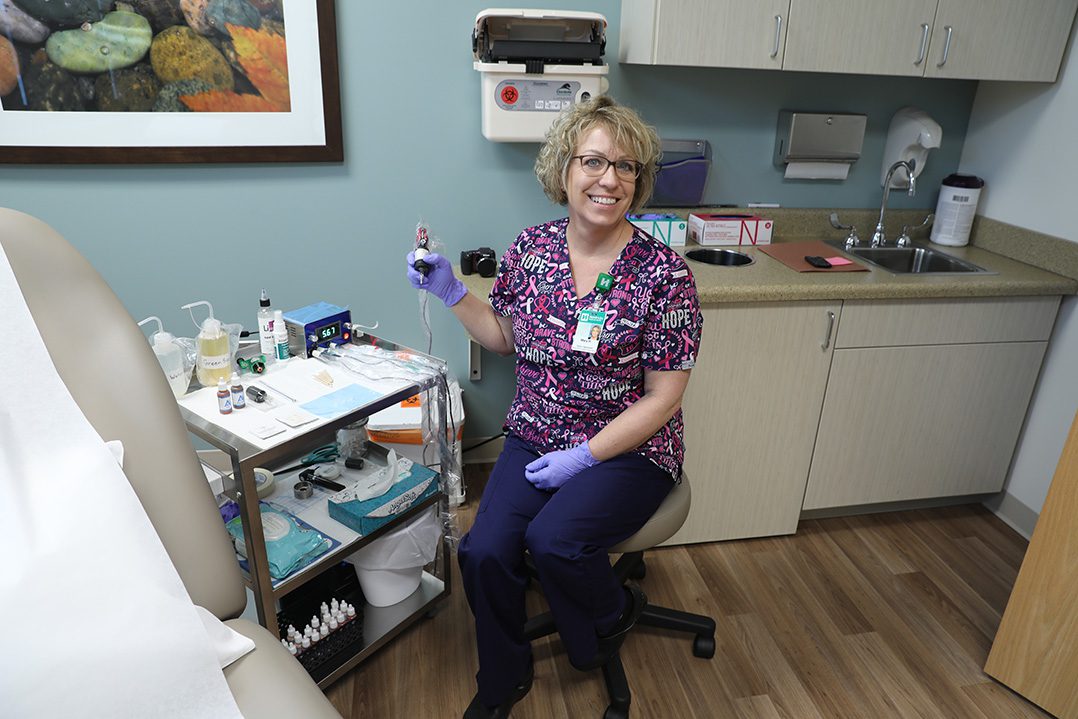
Micropigmentation 1
Micropigmentation, at present, is an aesthetic technique that is in great demand, since with it people can wear permanent makeup such as eyelids, eyebrows, or lip liner. However, it is also used for medical purposes, as this technique manages to pigment skin lesions such as scars.
Currently, the problem of scars can be corrected with this technique, as it manages to reduce the small scars on the skin, which are caused by burns. On the other hand, it can also correct the asymmetry of the areolas of the female breasts.
Many people look for solutions to eliminate scars, which generate poor aesthetics. But unfortunately, they cannot be controlled, since they can arise from an accident or surgery.
Surgeons were inclined to perform this micropigmentation treatment for the aesthetic correction of people, in addition, more and more people request it.
Micropigmentation is very interesting and it is very tempting, but first, you have to know how it is done, what care to follow, and what it is about.
It is a technique, by which hypoallergenic pigments are applied directly to the epidermis.
The objective is to cover the skin with color. In a scar, it is common to notice two shades of color: the scar (red and white) and the skin tone. So, by micro pigmentation, the skin can be in one. However, it is necessary to practice it 1 or 2 times a year, since the result is not forever.
The time that the pigmentation lasts depends on the type of skin of the patient and above all, on the care, they will have. Some are: do not expose themselves to the sun and they should put cream daily.
The Micropigmentation will camouflage the scars using a kind of tattooing with the ink of the patient’s skin color. Doing so that the color is equalized.
This technique must be applied by an expert on the subject since this way risks are discarded and the results are more favorable. The Micropigmentation process can be personalized, as it will depend on the skin type and color.
Each scar receives treatment differently, as it depends a lot on the patient. The technique has two categories: aesthetic micro-pigmentation and paramedical micro-pigmentation.
There are different techniques to camouflage scars, as none have the same conditions and therefore, the result is not the same.
The factors to take into account to performing the technique are the extent of the scar, type of healing, depth of the wound, age of the patient, and genetic factors at healing. Once the conditions of the patient’s scar are known, the appropriate technique is performed.
This technique is in great demand by patients who have just breastfed their baby or had a great weight loss. It is also requested for a mastectomy or breast reduction. The micro pigmentation reconstructs the areola.
After applying the color pigments in the areola area, a very similar color is achieved.
The doctor is the one who decides if the scar tissue is in a condition to be pigmented, and for this, the scar must be fully formed. It will be necessary to know what type of scar the patient has, as we must be more careful with those that are keloids and hypertrophic.
You must wait between 6 and 12 months to start the micro-pigmentation treatment in a scar or when it is whitish.
The results will be seen once the redness and inflammation from the application have diminished. The micropigmentation of the scar only attends to the coloration of this mark, so the patient will not notice any change in the texture of the scar.
After 7 or 15 days the healing will begin to occur, depending on the patient. It will be normal for there to be an increase in pigmentation, that is, the pigments will feel more charged. It is important to know that the pigments will have some color variations before having the final color. Also, it is normal for a scab to develop.
It is necessary that the patient does not scratch the treated area and avoid removing the protective skin layer. Well, micro-pigmentation opens the skin a little, this means that a light protective layer does not form on the lesion.
The coloration of the pigments is drastically reduced, happening between 15 to 21 days later. This is due to the renewal of collagen.
The final results will be seen between days 21 and 40, as the skin will be completely repaired. The pigment coloration is already fixed and mixes with the collagen in the skin.
After 40 days, that is, the recovery period, the patient will consult a specialist to assess the results and determine if a second application will be necessary or not.
This post was last modified on January 23, 2023 10:35 am
Creating a completely different series based on a universe that knows half the world can't… Read More
The strikes of scriptwriters and actors have put in check the constant flow of content to… Read More
Money Heist has returned to Netflix. This time as a prequel to the original series… Read More
One of the 50 best war films in cinema history turns 25 years old. And it is not… Read More
What is the singapore kiss In short, it is about emulating during intercourse, through the… Read More
Regarding patents, Sony is one of the technology companies that has carried out the most registrations in… Read More



