22194
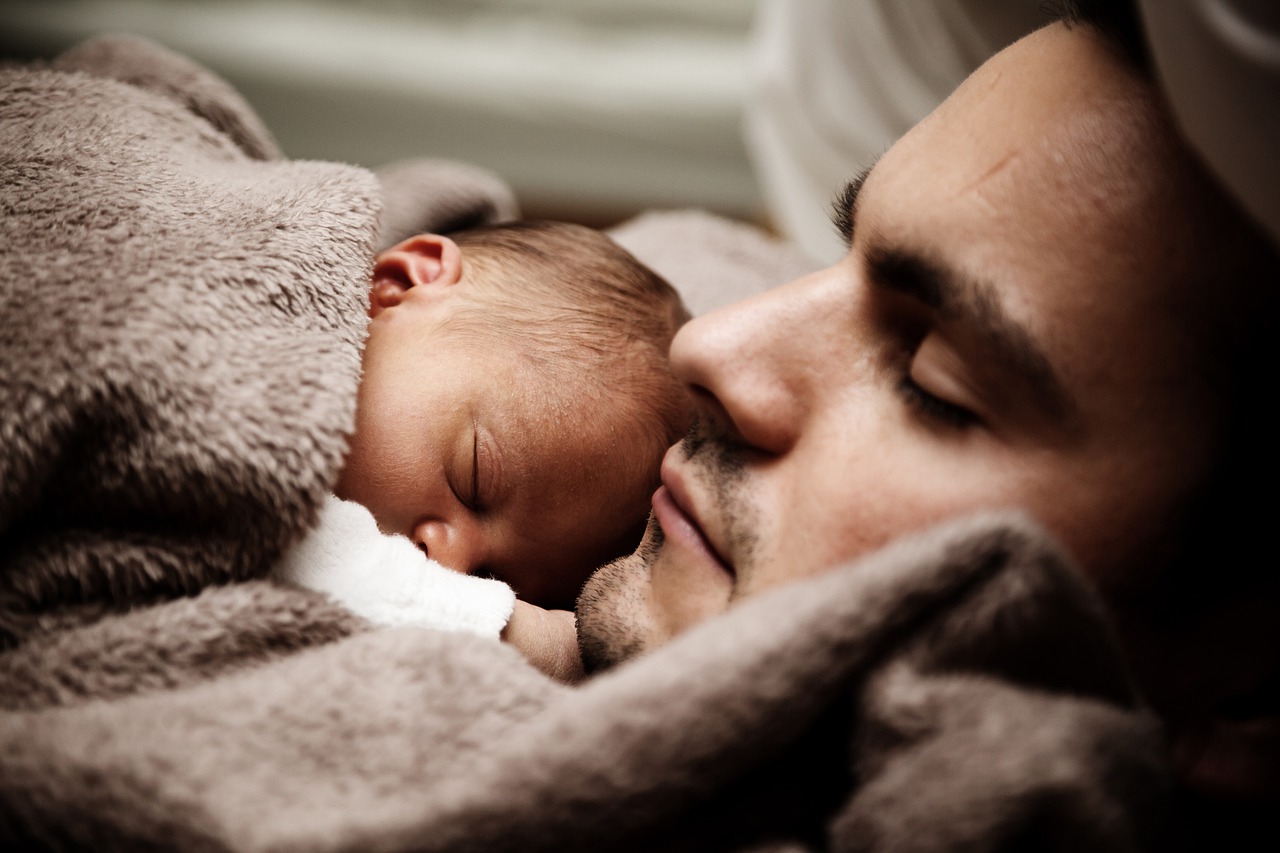
Sudden infant death syndrome (SIDS) is the sudden and unexpected death of infants under 1 year of age.
SIDS rates have dropped dramatically around the world since professionals began sharing tips on how to put your baby to sleep and how to care for them in that environment. The American Academy of Pediatrics (AAP) recently updated that list of recommendations in a report published in Pediatrics.
Experts say that SIDS has a higher risk of occurring between two and four months of age, affects more boys than girls, and usually occurs during the winter.
Many causes are responsible for neonatal deaths, including premature births, birth-related complications (including perinatal asphyxia), infections, and birth defects.
From the end of the neonatal period and during the first 5 years of life, the leading causes of death are pneumonia, diarrhea, birth defects, and malaria. “Malnutrition is the underlying concomitant factor that heightens children’s vulnerability to serious illness,” reports the World Health Organization (WHO).
In recent decades, a significant decrease in the number of newborn deaths has been observed (from 5 million in 1990 to 2.4 million in 2019). Many experts agree that this is because health authorities began to share advice on how to put babies to sleep, primarily by recommending that they sleep in a supine (back) position.
Although taking this position to reduce the risk of SIDS seems like a no-brainer, for a long time it was not only not recommended, but also not practiced in hospitals.
A study published in 2003 in Anales Españoles de Pediatría conducted surveys in 213 hospitals in Latin America and the Caribbean to find out how newborns were put to bed.
The authors found the following results: in 18 (8.5%) healthy children were placed on their stomachs, 104 (48.8%) on their sides, 53 (25.2%) on their backs, and 37 (17.5%) did not. took a definite position or the answers were inconsistent.
Regarding the recommendations to parents, in 54 hospitals (25.7%) the position on their back was recommended, in 16 (7.6%) face down, in 124 (59%) on their side, and in 16 (7.6%) they did not. directly recommendations.
Approximately 3,500 sleep-related infant deaths occur each year in the US, according to the AAP. The risk of infant death is up to 67 times higher when sleeping with another person on a sofa or couch, and 10 times higher when sleeping with another person who is tired or who uses sleeping pills, illegal drugs, or smokes.
“We’ve made great strides in learning what keeps babies safe during sleep, but there’s still a lot of work to be done,” said Dr. Rachel Moon, a professor of pediatrics at the University of Virginia School of Medicine and an author of the new AAP report.
“The death of a baby is tragic, heartbreaking, and often preventable. If we’ve learned anything, it’s that simplicity is best: Babies should always sleep alone in a crib or bassinet, on their backs, without toys, pillows, blankets, or other soft bedding,” Moon added in a news release.
To reduce the risk of sleep-related infant death, the AAP recommends:
The AAP also stresses that it is important for the media and manufacturers to follow these safe sleep guidelines in their messages, advertisements, production, and sales to promote safe sleep practices as a social norm.
Sources consulted: American Academy of Pediatrics (AAP), Spanish Annals of Pediatrics, US National Library of Medicine, Centers for Disease Control and Prevention, Mayo Clinic, World Health Organization (WHO).
The John Wick series has established itself as one of the few major action series today that… Read More
After binge-watching Shadow and Bone season 2, many viewers have been left with a million… Read More
The thought of Thor coming down from the heavens and saving us from catastrophes is… Read More
The action movie industry has been dominated by superhero franchises such as Marvel and DC… Read More
You might be disappointed when you watch Tiller Russell's latest documentary series, Waco: American Apocalypse,… Read More
The Pope’s Exorcist is a horror movie released in 2023 that’s based on the life… Read More
